The Perfect Pair: Companion Planting Rosemary And Lavender
The Perfect Pair: Companion Planting Rosemary and Lavender
Rosemary and lavender are two of the most popular herbs in the world, and for good reason. They're both beautiful, fragrant, and versatile. But did you know that they're also great companion plants?
When planted together, rosemary and lavender can help each other thrive. They have similar growing requirements, so they're easy to care for. And their complementary scents can help to attract pollinators and deter pests.
In this blog post, we'll take a closer look at the benefits of companion planting rosemary and lavender. We'll also discuss some specific planting tips to help you get the most out of these two amazing herbs.
Benefits of Companion Planting Rosemary and Lavender
There are many benefits to companion planting rosemary and lavender. Here are a few of the most important:
- They have similar growing requirements. Both rosemary and lavender prefer full sun and well-drained soil. This makes them easy to care for together, as you can use the same watering and fertilizing schedule for both plants.
- They attract pollinators. The sweet scent of lavender is irresistible to bees, butterflies, and other pollinators. These beneficial insects help to pollinate your flowers and vegetables, which can lead to a better harvest.
- They deter pests. The strong scent of rosemary can help to deter pests like rabbits, deer, and insects. This can help to protect your other plants from damage.
- They complement each other's scents. The earthy scent of rosemary and the floral scent of lavender combine to create a beautiful and fragrant garden.
Planting Tips for Rosemary and Lavender
If you're ready to start companion planting rosemary and lavender, here are a few planting tips to help you get the most out of these two amazing herbs:
- Plant them in full sun. Both rosemary and lavender need full sun to thrive. If you live in a hot climate, you may want to plant them in a spot that gets some afternoon shade.
- Plant them in well-drained soil. Rosemary and lavender are both susceptible to root rot, so it's important to plant them in well-drained soil. If your soil is heavy clay, you may need to add some sand or perlite to improve drainage.
- Space them properly. Rosemary and lavender can grow quite large, so it's important to space them properly. Give each plant at least 18 inches of space to grow.
- Water them regularly. Rosemary and lavender need regular watering, especially during the first year after planting. Once they're established, they can tolerate some drought.
- Fertilize them in spring. In the spring, fertilize your rosemary and lavender with a balanced fertilizer. This will help them to grow strong and healthy.
Conclusion
Rosemary and lavender are a perfect pair for companion planting. They have similar growing requirements, they attract pollinators, and they deter pests. Plus, their complementary scents create a beautiful and fragrant garden.
If you're looking for two easy-care herbs to add to your garden, rosemary and lavender are a great choice. With a little care, they'll thrive for years to come.
Rosemary and lavender are two of the most popular herbs in the world, and for good reason. They're both beautiful, aromatic, and versatile. But did you know that they also make great companion plants?
That's right, rosemary and lavender can actually help each other thrive. They have similar growing needs, so they're both happy in full sun and well-draining soil. They also attract the same pollinators, which can help to improve the yield of both plants.
In addition, the scent of lavender can help to deter pests that might otherwise attack rosemary. So if you're looking to add some beautiful and beneficial plants to your garden, rosemary and lavender are a great choice.
For more information about companion planting rosemary and lavender, visit Gardenia Inspiration.
FAQ of companion planting rosemary and lavender
Question 1: Can I plant lavender next to rosemary?
Answer: Yes, rosemary and lavender are excellent companion plants. They have similar growing needs and can benefit each other in a number of ways. For example, lavender's scent can help repel pests that may attack rosemary, and rosemary's strong roots can help stabilize the soil around lavender plants.
Question 2: What are the benefits of companion planting rosemary and lavender?
Answer: There are a number of benefits to companion planting rosemary and lavender, including:
- Attracting pollinators: Both rosemary and lavender attract a variety of pollinators, such as bees, butterflies, and hummingbirds. This can help to improve pollination in your garden, which can lead to a better harvest.
- Deterrent to pests: The strong scent of lavender can help to deter pests, such as cabbage moths, carrot flies, and aphids. This can help to protect your other plants from damage.
- Improved soil health: The roots of both rosemary and lavender can help to improve the drainage and aeration of the soil. This can make the soil more hospitable to other plants and can help to prevent root rot.
- Enhanced flavor: The flavors of rosemary and lavender can complement each other in cooking. This makes them a great choice for companion plants in an herb garden.
Question 3: What are the best ways to plant rosemary and lavender together?
Answer: The best way to plant rosemary and lavender together is to plant them in full sun in well-drained soil. The plants should be spaced about 18 inches apart. You can also plant them in containers, but make sure the containers are large enough to accommodate the mature size of the plants.
Question 4: What are some other good companion plants for rosemary and lavender?
Answer: Some other good companion plants for rosemary and lavender include:
- Sage: Sage is another Mediterranean herb that has similar growing needs to rosemary and lavender. It can also help to repel pests and attract pollinators.
- Thyme: Thyme is a low-growing herb that can be used to fill in the spaces between rosemary and lavender plants. It also has a strong scent that can help to deter pests.
- Oregano: Oregano is a hardy herb that is also resistant to many pests and diseases. It can make a good companion plant for rosemary and lavender, especially if you live in a warm climate.
Question 5: What are some tips for caring for rosemary and lavender?
Answer: Rosemary and lavender are relatively easy to care for. They need full sun and well-drained soil. They should be watered deeply once a week, but they do not like wet feet. You should also fertilize them once a year in the spring.
Image of companion planting rosemary and lavender
5 different images of "companion planting rosemary and lavender" from Pinterest:
- Rosemary and lavender in a pot. This is a great way to grow these two herbs together if you don't have a lot of space. The pot should be at least 12 inches wide and deep, and it should have drainage holes.

- Rosemary and lavender in a garden bed. These two herbs can also be planted together in a garden bed. They should be spaced about 18 inches apart, and they should be planted in full sun.
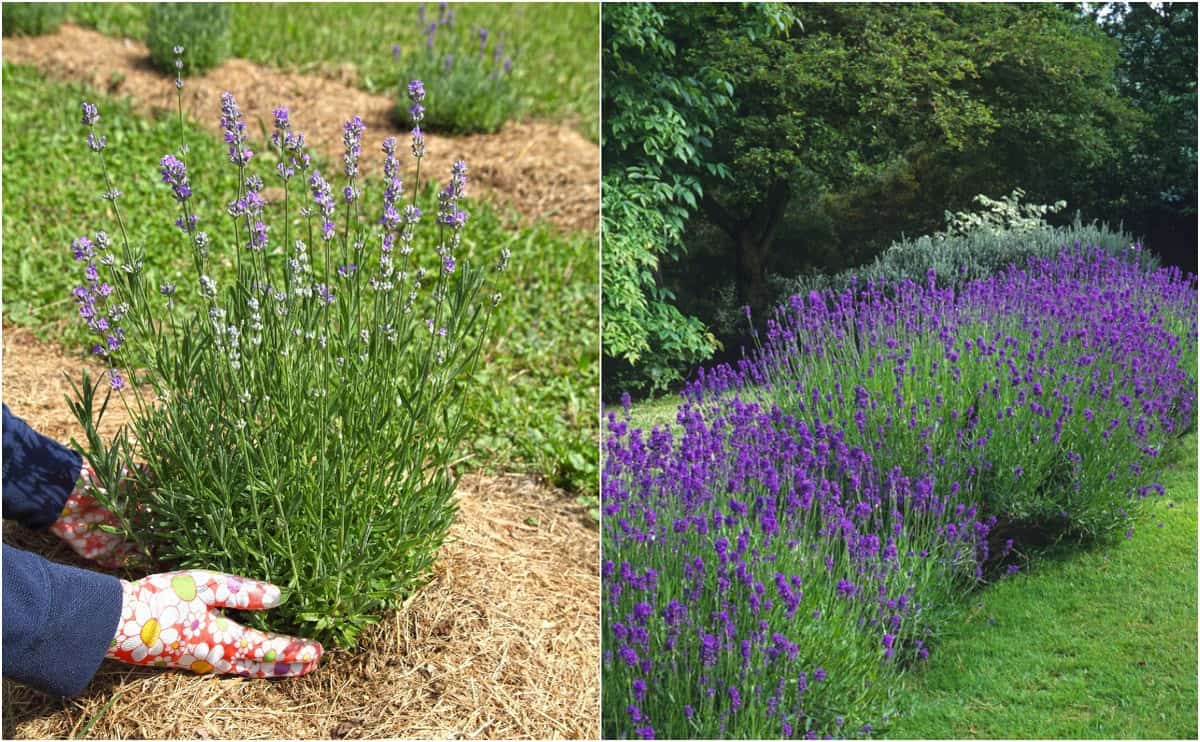
- Rosemary and lavender with other herbs. Rosemary and lavender can be planted with other herbs that have similar growing conditions, such as thyme, oregano, and marjoram. This will help to attract pollinators and deter pests.
- Rosemary and lavender with flowers. Rosemary and lavender can also be planted with flowers that have similar growing conditions, such as lavender, marigolds, and sunflowers. This will add color and interest to your garden.
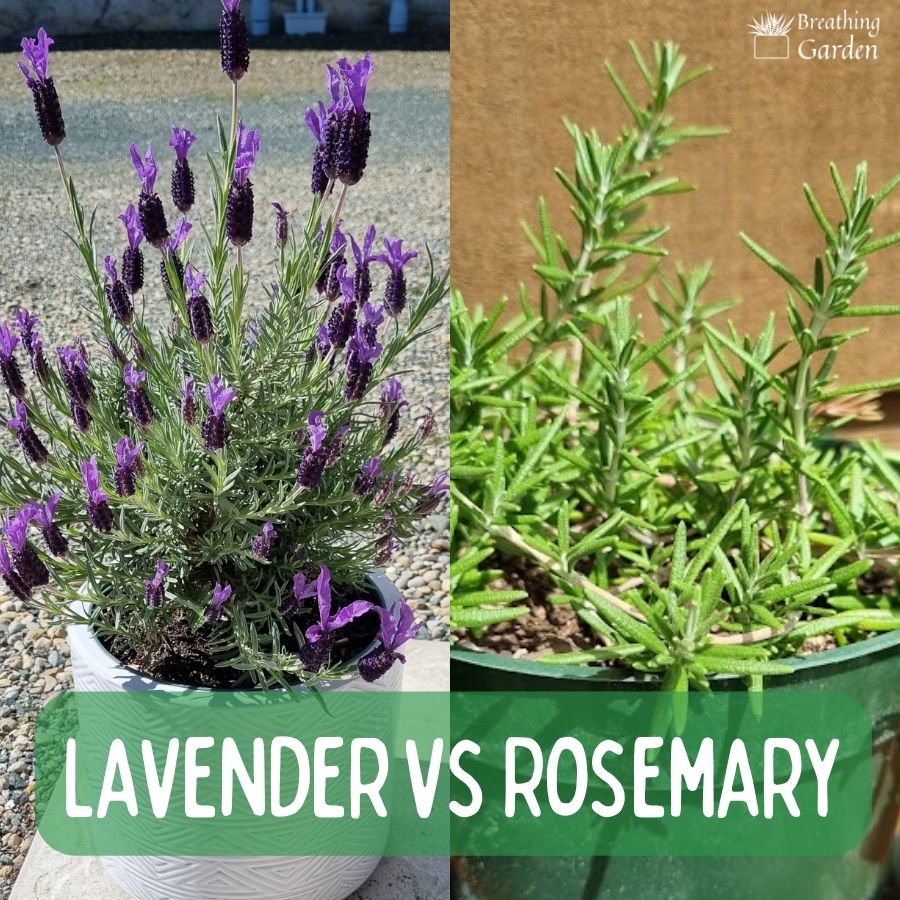
- Rosemary and lavender in a landscaped area. Rosemary and lavender can also be used in landscaped areas, such as borders, walkways, and patios. They will add a touch of Mediterranean charm to your outdoor space.


Post a Comment for "The Perfect Pair: Companion Planting Rosemary And Lavender"